Holiday Laser Light Shows for HOAs and Residential Communities

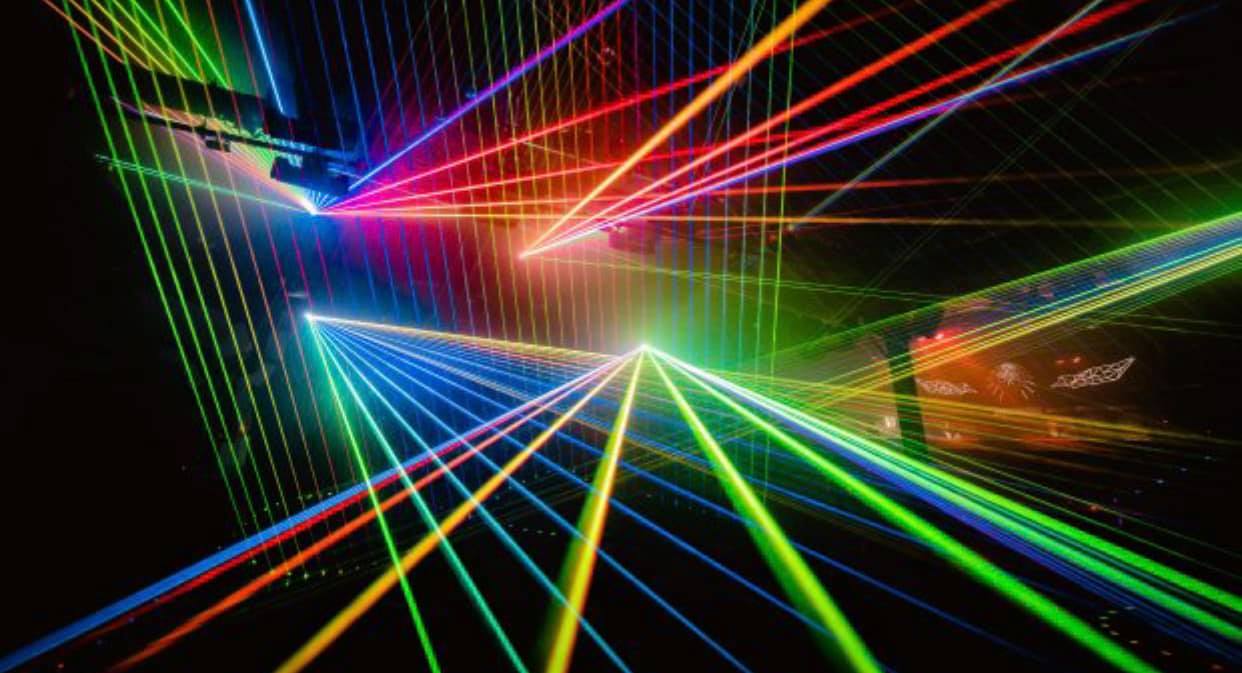
The best HOA events are the ones neighbors actually show up to. A holiday laser light show for an HOA or residential community gives people a reason to step outside, meet the family three houses down, and start a tradition the community looks forward to every December.

Electric Holiday Miami brings laser and lighting shows to communities across Miami-Dade and South Florida, from small townhome associations to large master-planned neighborhoods.

Where the show can happen

  • Clubhouse and pool deck. A natural gathering spot with power, restrooms and space for food.
  • Community park or green. Great for a walk-up show with blankets and chairs.
  • Lakefront. Many South Florida communities are built around lakes. Water reflects the beams and doubles the effect.
  • Amenity center parking lot. Good for a drive-in night if your community has the space.

Making it a full community night

A laser show is the highlight, but the night works best with a few other pieces around it:

  • A tree lighting at the clubhouse right before the show
  • A visit from Santa and photos for the kids
  • Hot cocoa, a food truck or a neighborhood potluck
  • A toy drive for a local charity
  • A DJ playing holiday music before and after the show

Being a good neighbor

Unlike a park or a stadium, an HOA event happens right next to people’s homes. A good show plan for a residential community includes:

  • Reasonable hours. Most community shows end by 9 p.m.
  • Sound direction. Speakers aimed at the audience and away from nearby houses.
  • Beam direction. Lasers aimed into open sky and away from windows and balconies.
  • Advance notice. Email residents beforehand so nobody is surprised by lights over the lake.
  • Clean-up. Equipment out the same night.

Working with your board and management company

Most associations need board approval and coordination with the property management company. To make that easy, we can provide a written description of the show, the equipment footprint, power needs, the timeline, and answers to any insurance questions your board has. Outdoor laser shows projected into the sky also have federal notification requirements; our outdoor laser show rules guide explains them in plain language.

Sizing the show to the budget

Community events range from a short show for a few dozen families to a full evening for a large neighborhood. The biggest factors in cost are how long the show runs, how many projectors are needed to cover the space, and what extras you add, such as sound for a large lawn, stage lighting or a DJ for the whole night. Sharing your expected attendance and the area you plan to use helps us give you an accurate quote.

A sample evening

  • 6:00 p.m. Food, music and Santa photos at the clubhouse
  • 6:45 p.m. Tree lighting countdown
  • 6:50 p.m. Laser light show
  • 7:15 p.m. DJ and family dance party
  • 8:30 p.m. Event ends

Light up your community

Send us your community, the area you’d like to use and your expected turnout, and our team from Nation Wide Sound DJ’s, serving South Florida since 1989, will design a show that fits. See the Electric Holiday show on our homepage.
Holiday Laser Light Shows for Schools and Churches

THINGS TO DO NOW

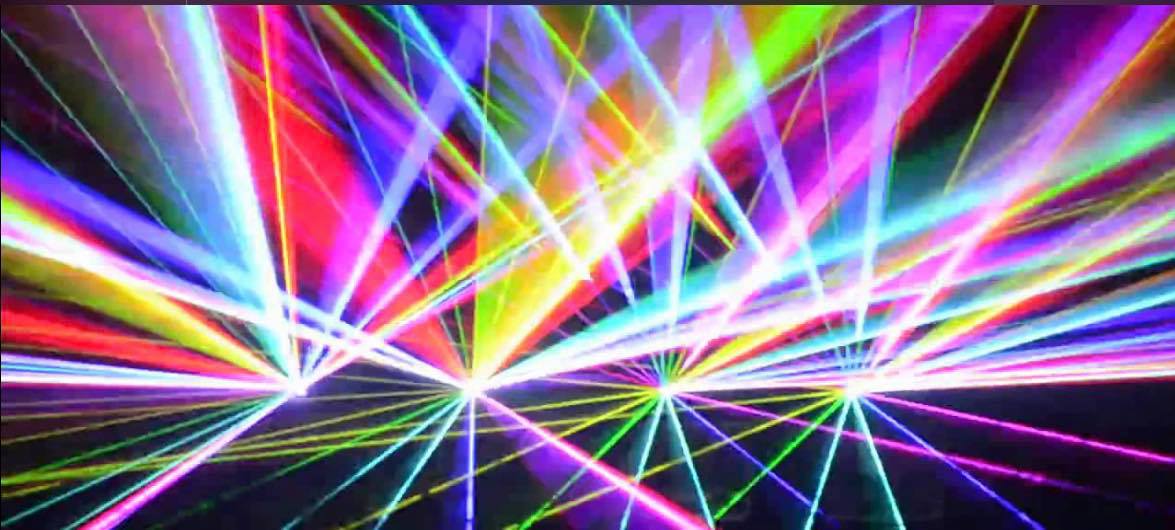
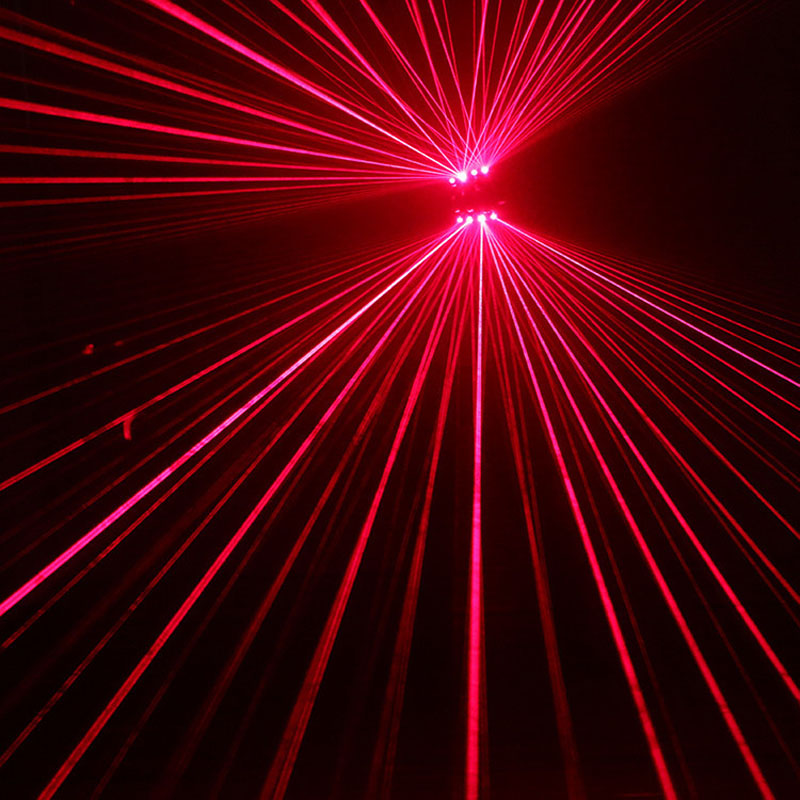
Schools and churches bring families together all year, and the holiday season is when that matters most. A holiday laser light show for a school or church event adds a moment of wonder that kids remember for years, and it gives parents and members a reason to bring friends and neighbors.

Electric Holiday Miami brings family-friendly laser and lighting shows to campuses and congregations across Miami-Dade and South Florida.

Events that fit

Schools

  • Winter festivals and holiday carnivals
  • Holiday concerts, where lighting can support the band or choir
  • PTA and booster club fundraisers
  • Drive-in movie and light show nights on the athletic field or parking lot
  • End-of-semester celebrations

Churches

  • Christmas celebrations and community nights
  • Christmas pageants and nativity programs
  • Christmas Eve outreach events
  • Youth group events
  • Tree lightings on the church grounds

Designing a show for families

Family events need a show that’s exciting without being overwhelming. For school and church events we usually:

  • Keep shows short, around 10–20 minutes, so young kids stay engaged
  • Use music the audience knows, whether classic carols, worship songs or kid-friendly holiday hits
  • Keep beams above head height and well away from where children are sitting
  • Avoid fast strobing
  • Keep the volume comfortable for small ears

Working with music and worship

For a church event, the show can follow the program instead of competing with it. Lasers and lighting can rise during a final song, mark the end of a nativity reading, or open the evening before a message. Many churches prefer a reflective, warm color palette of gold, white and soft red during worship, and a brighter, more playful show for the family celebration afterward. For school concerts, we can light the stage for the performers and save the laser moment for the finale.

Using the space you have

Outdoors, athletic fields, courtyards and parking lots give lasers plenty of room. A field is also perfect for a drive-in format; see our drive-in show guide.

Indoors, gyms, auditoriums and sanctuaries can host a smaller show. Ceiling height limits beam length, and haze, which makes beams visible in the air, has to be coordinated with your facilities team because of smoke detectors. Our explainer on how laser light shows work covers the basics.

Fundraising ideas

  • Sell tickets per family or per car for a drive-in night
  • Collect toys, coats or canned food as admission
  • Offer a concession stand run by student groups or volunteers
  • Recognize local business sponsors before the show

Our article on charity fundraiser light shows has more ideas.

Safety and supervision

School and church events have a lot of children moving around in the dark. Plan for lighting along walkways, clear meeting points for families, volunteers at entrances and exits, and a secured, roped-off area for equipment. Outdoor shows projected into the sky also have federal requirements; see our outdoor laser show rules guide.

Keeping it simple for volunteers

Your volunteers already have plenty to do. Our crew from Nation Wide Sound DJ’s, working South Florida events since 1989, handles setup, the show and teardown, along with sound, music and stage lighting. You just need to tell us the space, the program and the time.

Plan your school or church event

Tell us your date, your space and your program, and we’ll design a show that fits your community. See the Electric Holiday show on our homepage.
Holiday Laser Light Shows for Malls and Shopping Centers

BACKGROUND LASER LIGHT

The holiday season is the most important time of year for malls and shopping centers, and the biggest challenge is giving people a reason to visit in person. A holiday laser light show at a shopping center turns a shopping trip into an outing. People come for the show, stay for dinner, and walk past storefronts on the way.

Electric Holiday Miami designs laser and lighting shows for retail properties across Miami-Dade and South Florida, from open-air centers to parking lot drive-in nights.

Show formats for retail properties

Recurring weekend showtimes

Short shows on a set schedule, for example every hour from 7 to 9 p.m. on Fridays and Saturdays in December, give shoppers something to plan around. Because the shows repeat, visitors who miss one can catch the next, and the property gets steady evening traffic all month.

Season kickoff with a tree lighting

Opening the season with a countdown, tree lighting and laser show creates a big first-weekend event that local media and social accounts love to cover. See our guide to tree lighting laser shows.

Parking lot drive-in night

A section of the parking lot becomes a drive-in theater for one or more nights. This works especially well for centers with large lots and restaurants that stay open late. Our drive-in laser show guide explains how it works.

Courtyard and atrium shows

Open-air courtyards and covered atriums can host smaller shows sized for the space, often paired with a stage for local performers.

Why it works for tenants

  • Evening traffic. Shows bring people out after dark, when many centers are quietest.
  • Longer visits. Families arriving for a showtime often eat at a restaurant or shop while they wait.
  • Easy promotion. Showtimes are easy for tenants to share on social media, in emails and on signs in their stores.
  • Repeat visits. A show that runs all season gives people a reason to come back, especially with out-of-town guests during the holidays.

Site considerations

  • Sightlines. Where will people stand or park to watch, and does that keep walkways and fire lanes clear?
  • Competing light. Bright parking lot lights and signs can wash out laser beams. Sometimes a few fixtures can be dimmed during showtimes.
  • Equipment placement. Projectors need a secured location, often a rooftop edge, a roped-off area or a stage, with a clear path above the audience.
  • Noise. Sound has to reach the audience without bothering nearby residents or tenants. Shorter shows and directional speakers help.
  • Rules. Outdoor laser shows projected into the sky have federal requirements; see our guide to outdoor laser show rules.

Measuring results

Shopping centers often track foot traffic counts, parking occupancy, restaurant sales on show nights and social media mentions. Comparing show weekends to non-show weekends is a simple way to see the impact.

Ideas to add on

  • Santa photos timed between showtimes
  • Tenant coupons handed out at the show area
  • A toy drive at the information desk
  • Local school performances before the first show

Bring the show to your property

Send us your property, your target dates and where you’re thinking of hosting the show. We’ll design a schedule and show that fits your space. See the Electric Holiday show on our homepage.
Corporate Holiday Party Laser Shows in Miami and South Florida

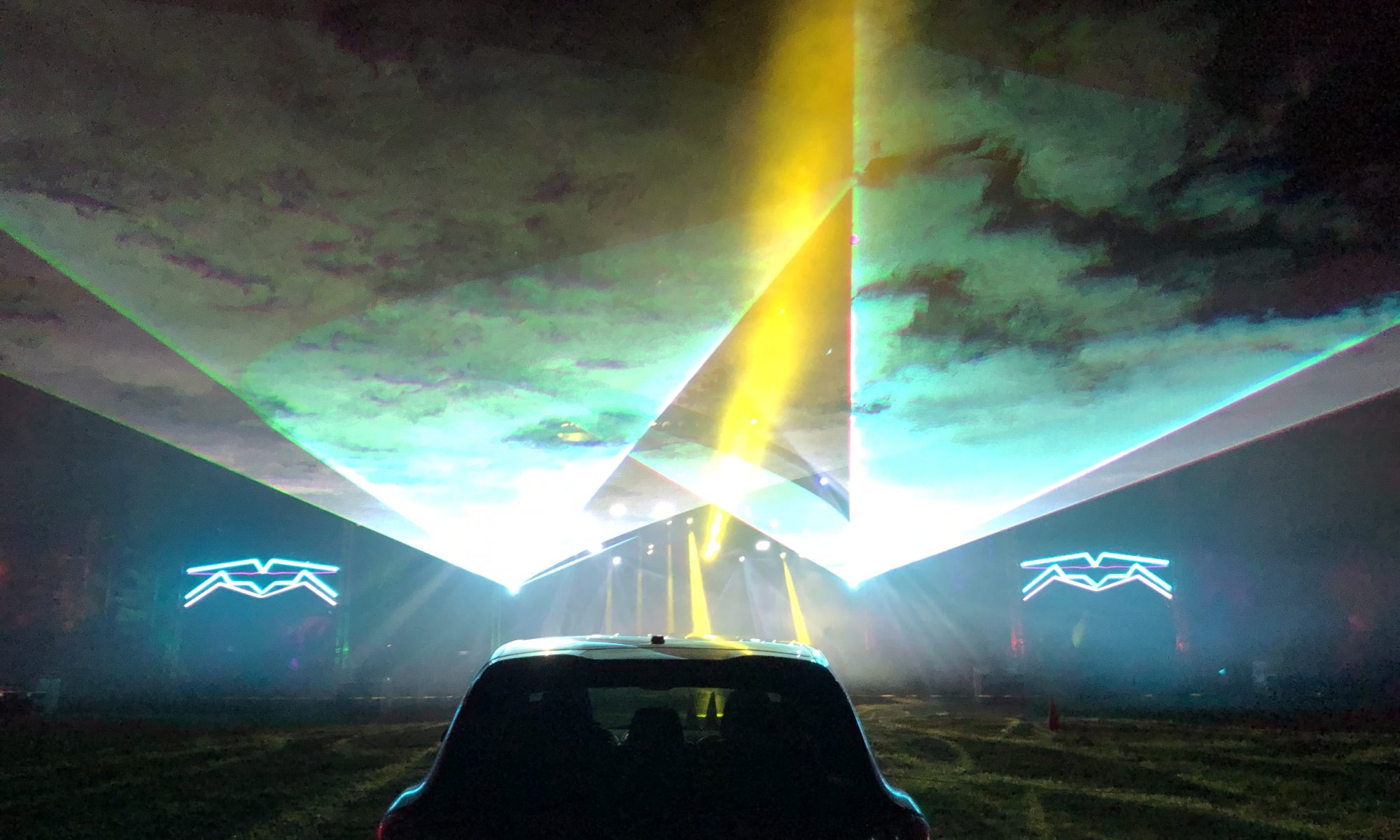
ELECTRIC HOLIDAY BACKGROUND

The company holiday party is the one night a year when everyone stops working and celebrates together. A laser light show at a corporate holiday party gives that night a moment people talk about on Monday, and photos and videos your team actually wants to share.

Electric Holiday Miami brings laser shows, holiday lighting, a DJ and professional sound to company parties across Miami-Dade and South Florida.

Four ways to use lasers at a company party

1. The entrance

Guests walk in under a canopy of light. Beams and color washes at the entrance set the mood the second people arrive, and it makes for a great photo spot.

2. The showtime moment

A 5–10 minute laser show timed to music, usually right after dinner or speeches, is the centerpiece of the night. It’s a natural transition from the formal part of the evening to the party.

3. Leadership or awards reveal

If your party includes awards, a year-in-review or an announcement, lasers and lighting can build up to the reveal the same way they build to a tree lighting.

4. The dance floor

After the show, lasers and moving lights keep the dance floor going, with the DJ controlling the energy for the rest of the night.

Indoor vs. outdoor venues

Outdoor venues such as rooftops, courtyards, backyards and parking lots give lasers the most room, and South Florida’s December weather is usually mild. Indoor venues such as ballrooms, warehouses and restaurants work too, but the show is designed around ceiling height, the room’s layout, and the venue’s rules on haze and smoke detectors. Haze is what makes laser beams visible in the air. Without it, you only see dots where the beams hit a surface. Our explainer on how laser light shows work covers this in more detail.

Questions your venue will ask

  • How much power the equipment needs, and where it plugs in
  • Whether haze or fog will be used, and whether smoke detectors need to be managed by the venue
  • Load-in and load-out times
  • Insurance certificates

We handle these conversations with the venue’s event manager so you don’t have to.

Adding your brand

Ask about using your company colors in the lighting design. Matching the stage wash and laser palette to your brand makes the room feel custom and looks great in photos. Lasers can also project simple text and graphics, which some companies use for a year number or a short message.

Keeping it comfortable for everyone

Not every guest wants to be on a dance floor. Good corporate show design keeps beams above head height, avoids strobing near dining tables, and keeps the volume at a level where people can still talk. The show should feel exciting without overwhelming the room.

A sample timeline

  • 6:30 p.m. Arrival with entrance lighting and background music
  • 7:15 p.m. Dinner with soft ambient lighting
  • 8:15 p.m. Welcome and awards
  • 8:45 p.m. Laser showtime
  • 9:00 p.m. DJ and dance floor with lasers until close

One team instead of five vendors

Corporate parties usually need several vendors: a DJ, a sound company, a lighting company and sometimes video. Our production team from Nation Wide Sound DJ’s, working South Florida events since 1989, provides DJ, sound, lighting, lasers, staging, video and livestreaming together. That means one contact and one timeline. If you’re comparing companies, our list of questions to ask a laser show company is a good place to start.

Plan your company party

Tell us your date, venue and headcount, and we’ll put together show ideas that fit your space and budget. See the Electric Holiday show on our homepage.
Drive-In Holiday Laser Light Shows in Miami: How They Work

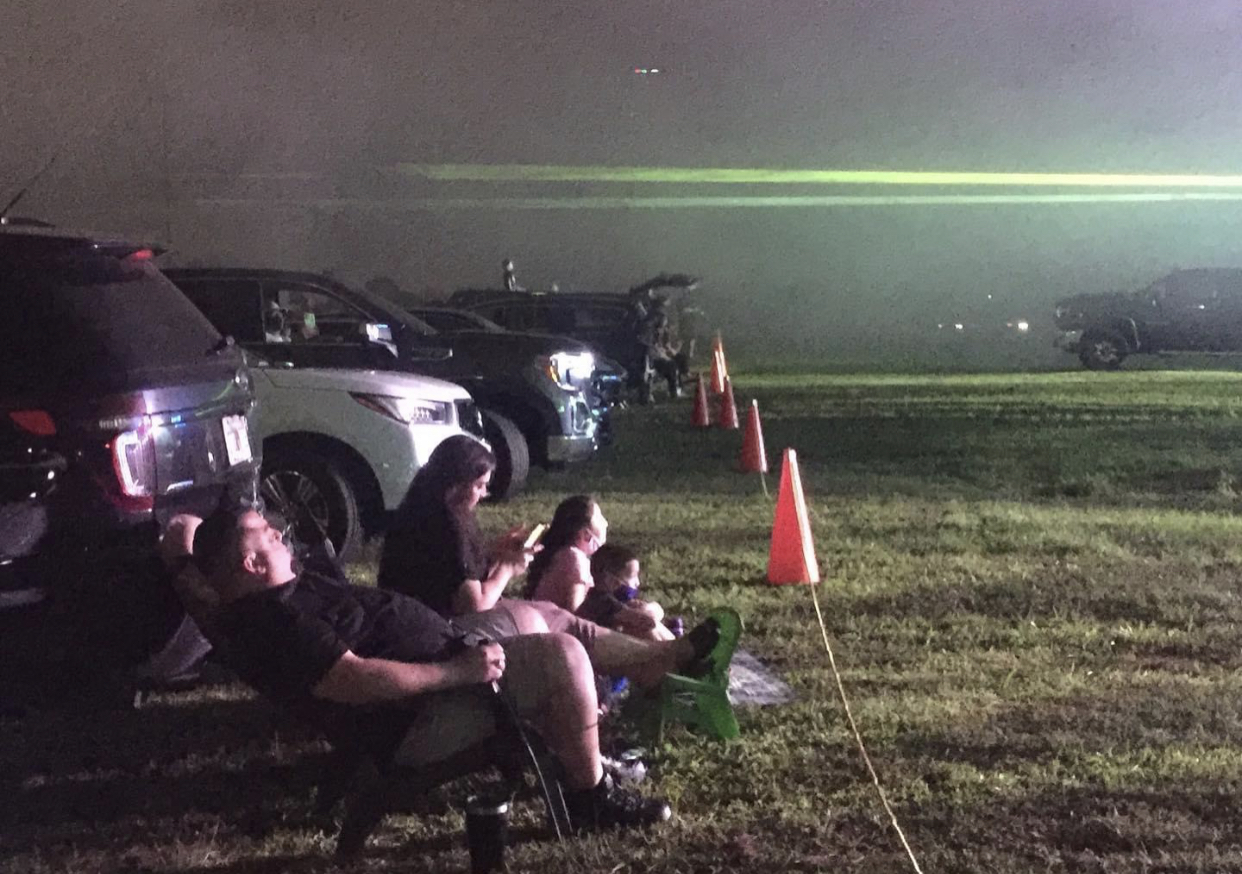
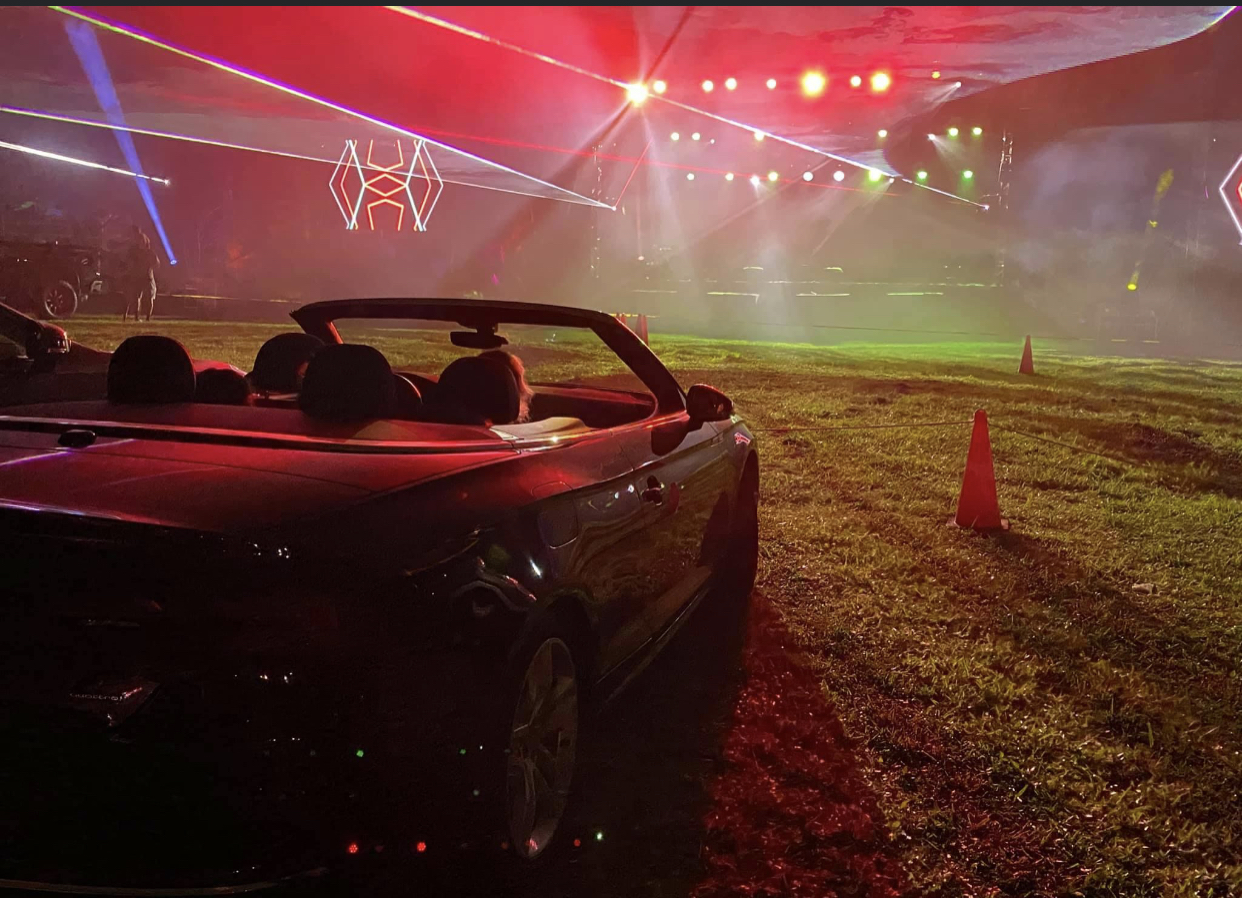
A drive-in holiday laser light show is exactly what it sounds like. Guests stay in their cars, tune their radios to the show’s FM station and watch lasers fill the sky in time with the music. It’s comfortable for every age group, easy to control and surprisingly immersive. With the car windows down and the radio up, the whole lot becomes one big audience.

Electric Holiday Miami has run drive-in laser shows at Homestead-Miami Speedway, benefiting Toys for Tots, and at Amelia Earhart Park in Hialeah. Here’s how a drive-in show works and what it takes to host one.

How guests experience it

  1. Arrival. Cars enter through a check-in point and staff direct them to a parking space facing the show.
  2. Tune in. A sign at the entrance, and often the staff, tells guests which FM frequency to use. Pre-show music and announcements are already playing.
  3. Pre-show. In 2020, our Homestead show ran a 30-minute pre-show with crowd participation games over the radio before the main event.
  4. Main show. Lasers, lighting and effects are timed to the music on the radio. Our 2020 main show ran about 45 minutes.
  5. Exit. Staff release rows in order so traffic flows out smoothly.

Why choose a drive-in format

  • Comfort. Grandparents, toddlers and guests with limited mobility watch from their own seat.
  • Weather tolerance. Light rain that would empty a lawn show is much less of a problem when everyone is in a car.
  • Controlled attendance. You know exactly how many cars fit, which makes ticketing, donations and staffing simple to plan.
  • Clean sound. Every guest hears the music clearly through their own car speakers, no matter where they’re parked.

What kind of site you need

A drive-in show needs a large, flat area where cars can park in rows with a clear view of the sky. Good options include racetracks, fairgrounds, stadium lots, large park fields and shopping center parking lots. When we evaluate a site we look at:

  • How many cars fit with safe spacing and fire lanes
  • Where the projectors can sit, usually in front of the first row in a secured area
  • Entry and exit routes that won’t back up onto main roads
  • Nearby light sources such as stadium or street lights, which wash out the beams
  • Power, or space for a generator

How the radio audio works

The show’s music and announcements are sent out by a low-power FM transmitter that covers the parking area. Cars pick it up like any radio station. There are federal rules about how strong an unlicensed transmitter can be, and coverage depends on the site. We explain the details in our drive-in FM radio guide.

Ticketing and capacity

Drive-in events are usually sold per car rather than per person, with a limit on how many people can be in each vehicle. Selling timed entries for each showtime keeps lines short at check-in. Some organizers offer a premium tier with front-row parking. Because you know the number of spaces in advance, it’s easy to set capacity and sell out without overcrowding.

Drive-in shows and fundraising

Drive-in shows pair naturally with donation drives. Guests can hand over a toy, canned food or a donation at check-in without leaving the car. At our 2020 Homestead show, guests who brought a new, unwrapped toy for Toys for Tots received free popcorn. Read more in our Electric Holiday 2020 recap.

Planning tips

  • Run multiple showtimes per night so arrivals are spread out
  • Post the FM frequency at the entrance and on your tickets
  • Remind guests to bring a phone charger and to turn off headlights during the show
  • Have jump-start kits on site, because car batteries do die when radios run for an hour with the engine off
  • Plan for wind and rain with a backup date; see our South Florida holiday weather guide

Host a drive-in night

Have a racetrack, lot or large field? Send us the site, your date and how many cars you want to fit, and we’ll design a drive-in show around it. See the Electric Holiday show on our homepage.
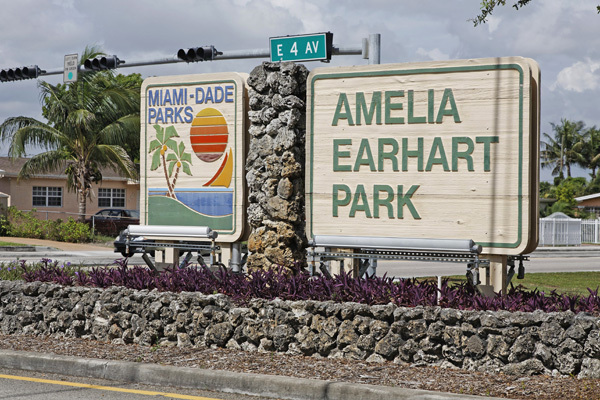
Make Your Christmas Tree Lighting Unforgettable with a Laser Show

A tree lighting is one of the oldest holiday traditions there is: the crowd counts down, someone flips the switch, and the tree lights up. Adding a laser show to a Christmas tree lighting keeps that tradition and makes the big moment much bigger. Beams sweep the sky at the exact second the tree comes on, the music hits, and the whole crowd reacts together.

Electric Holiday Miami designs tree lighting shows for town squares, shopping centers, churches, schools and community clubhouses across South Florida.

How a tree lighting laser show is structured

The best tree lightings feel like a story with a beginning, a build-up and a payoff. A typical run of show looks like this:

  1. Arrival (30–60 minutes). Holiday music and soft colored lighting on the tree area while guests arrive, find a spot and visit vendors.
  2. Program (15–30 minutes). Welcome remarks, a performance by a local choir or dance group, and recognition of sponsors.
  3. Countdown (1–2 minutes). Lights dim, the host leads the crowd, and lasers begin to build in the sky.
  4. The lighting. The tree lights up and the main laser show starts, timed to a holiday song.
  5. Celebration (10–20 minutes). A longer laser and music segment while families take photos in front of the tree.

Timing the reveal

The magic of a tree lighting depends on everything happening at once. That means the tree’s lighting circuit, the sound system and the laser show need to be cued together. We work with whoever controls the tree lights, whether that’s your electrician, a decorating company or your own facilities team, so the switch, the music and the lasers all fire on the same beat.

Picking music

Music sets the tone. A classic carol makes the moment feel traditional and warm. A modern holiday hit or an electronic remix makes it feel like a party. Some events use both: a classic for the lighting itself and an upbeat track for the celebration that follows. If you have a choir or band performing, we can build the show around their set.

Where the lasers go

For a tree lighting, the tree is the star, so we place the laser projectors to frame it rather than compete with it. Beams fan out above and behind the tree, so photos taken from the crowd capture both. Projectors sit in a secured area with a clear path over the audience, and beams stay above head height. Our explainer on how laser light shows work goes into how beams, haze and projector placement create the effect.

Indoor vs. outdoor tree lightings

Most South Florida tree lightings are outdoors, which gives the lasers room to reach full size. Indoor lightings in atriums, ballrooms or churches can still use lasers, but the show is designed differently. Ceilings limit beam length, and haze levels have to be managed with the venue’s smoke detectors and HVAC in mind. Tell us early which kind of space you have.

Who books tree lighting shows

  • Cities and towns opening the holiday season in a downtown square
  • Shopping centers using the lighting to kick off weekend holiday events
  • Churches combining the lighting with a Christmas program
  • Schools making it part of a winter festival
  • HOAs and communities lighting the clubhouse tree with neighbors

Planning checklist

  • Confirm the date, and a rain date
  • Decide who flips the switch, whether that’s a mayor, a pastor, a principal or a lucky child
  • Choose the lighting song and confirm performers
  • Map the tree, stage, audience area and power
  • Check local permit requirements and federal outdoor laser rules
  • Promote the countdown time so people arrive before it starts

For a full week-by-week plan, see our holiday event planning timeline.

Make this year’s tree lighting the one people remember

If you’re hosting a tree lighting, tell us your date, location and crowd size. Our team from Nation Wide Sound DJ’s can also provide the sound, MC, stage lighting and video to run the whole program. See the Electric Holiday show on our homepage.
Holiday Laser Light Shows for Parks and Recreation Departments

Location Electric Holiday

Parks are where South Florida communities gather, and the holidays are their busiest season. A holiday laser light show at a park turns an open field into a night out that families plan around. The sky over a big lawn is the perfect canvas for laser beams, and parks already have the parking, restrooms and open space a crowd needs.

Electric Holiday Miami has run a drive-in laser show at Amelia Earhart Park in Hialeah, using the Palm Avenue entrance and the soccer fields. That experience taught us a lot about how to fit a show into a public park without disrupting everything else the park does.

Why parks are such a good fit

  • Open sky. Lasers look biggest when nothing blocks the beams. Large fields with few overhead obstructions are ideal.
  • Room for different formats. A park can host a walk-up lawn show, a drive-in show in a parking area, or both on the same night.
  • Built-in amenities. Restrooms, lighting and established entrances make crowd management easier.
  • Community connection. Residents already think of the park as theirs, which makes a holiday show there feel like a hometown event.

Choosing the right spot in the park

Not every corner of a park works equally well. When we look at a site, we’re checking for a few things:

  • A clear audience area facing away from busy roads, so guests aren’t distracted by traffic and drivers aren’t distracted by the show.
  • A secure equipment area where projectors can sit behind barricades with a clean line of sight over the crowd.
  • Distance from trees and light poles that could block beams or reflect them in unwanted directions.
  • Power access or a safe place for a generator.
  • Entrances and exits that can handle the crowd arriving at the same time and leaving at the same time.

Walk-up or drive-in?

Walk-up shows feel more social. Families spread out on blankets, kids can move around, and you can add vendors, a stage or Santa photos. Drive-in shows are better when you expect a very large crowd, want to control attendance with a set number of car spaces, or want guests protected from light rain. Many parks departments choose drive-in for one night and walk-up for another. Our drive-in FM radio guide explains how sound works when guests stay in their cars.

Working around park operations

Parks rarely close completely for an event. Sports leagues, walkers and other programs may still be using nearby areas. A good show plan includes:

  • Load-in and setup times that avoid peak use of the park
  • Clear signs and staff at entrances on show night
  • A plan to keep equipment and cables away from paths
  • A quick teardown so the field is ready for the next morning

Timing your show

In December, the sun sets around 5:30 p.m. in Miami, and it’s fully dark a little after 6 p.m. Lasers look best in full darkness, so a first show around 6:30 p.m. and later shows every hour or so is a common schedule. Our South Florida holiday weather guide explains how wind and rain affect a laser show and how to plan backup dates.

Permits and rules

Your parks department will know its own permit process. On top of that, outdoor laser shows that project into the sky have federal requirements. We cover the basics in our guide to outdoor laser show rules, so you’ll know what questions to ask any laser vendor.

Ideas to make it a full park event

  • A tree lighting countdown right before the first laser show
  • A toy drive or food drive at the entrance
  • Local school choirs or dance groups on stage before the show
  • Food trucks and hot cocoa
  • A DJ playing holiday music between shows

Bring the show to your park

If you’re planning a holiday night for your parks and recreation department, send us a map of the area you want to use, your expected crowd and whether guests will walk in or drive in. We’ll design the show around that space. You can also see the Electric Holiday show on our homepage.

Holiday Laser Light Shows for City and County Events in Miami-Dade

Every December, cities and counties across South Florida look for one event that brings the whole community out. A holiday laser light show for a city or county event has become one of the most reliable ways to do it. Lasers are visible from almost anywhere in a crowd, they work for every age group, and they turn a regular park, plaza or fairground into a place people want to be.

Electric Holiday Miami started with exactly this kind of public event. In 2020, Homestead Mayor Steven D. Losner and Miami-Dade County Commissioners Kionne McGee and Jose “Pepe” Diaz presented the first Electric Holiday Experience at Homestead-Miami Speedway. You can read how that season worked in our Electric Holiday 2020 recap.

Why municipalities choose a laser show

Public holiday events have a few jobs to do at once. They have to feel special, serve a big and mixed crowd, and run safely on a public budget. A laser show checks those boxes in ways a stage act alone usually can’t.

  • Everyone gets a view. Laser beams are projected into the air above the audience, so the people in the back row see the same show as the people in front.
  • It scales. The same show design can be sized for a neighborhood park or a large fairground by changing the number of projectors and where they sit.
  • It pairs well with other programming. Tree lightings, toy drives, food trucks, a visit from Santa and local performers all fit around a scheduled laser show.
  • It can be drive-in. For very large crowds or locations with limited walk-up space, a drive-in format keeps guests in their cars and makes parking and traffic easier to manage.

Formats that work for public events

Walk-up lawn show

Guests bring blankets and chairs and gather on a lawn or plaza facing the projectors. This is the most social format and works well with vendors and kids’ activities. It needs a clear area for the audience and a separate, secured area for the equipment.

Drive-in show

Cars park in rows facing the show, and audio plays through an FM broadcast on each car’s radio. Our drive-in FM radio guide explains how the audio works and what you need on site.

Scheduled showtimes

Many cities run short shows several times a night, for example every hour after sunset. This spreads the crowd out and gives families flexibility on when to come.

What your planning team should line up

Public events involve more departments than private ones. The earlier these pieces are in motion, the smoother the night goes.

  1. Date and backup date. December weekends book quickly across South Florida. Pick a rain date at the same time.
  2. Venue map. Mark where the audience goes, where equipment can sit, where power is available and how emergency vehicles get in and out.
  3. Permits and notifications. Outdoor laser shows have federal requirements, including FAA notification for beams projected into the sky. Our guide to outdoor laser show rules covers the basics. Your own special events office will tell you what local permits apply.
  4. Safety plan. Crowd flow, lighting for walkways, first aid and a clear plan for weather.
  5. Promotion. Showtimes, parking information and accessibility details should be on your city website and social media at least a few weeks out.

For a week-by-week version of this list, see our holiday event planning timeline.

Budget questions to ask early

The biggest cost drivers are the size of the show, how many nights it runs, and how much extra production you need, such as staging, a sound system for a large lawn, video screens or a livestream. When you request a quote, it helps to share your expected attendance, the number of nights, and whether you already have a stage or sound system at the venue.

Making the event count for the community

Some of the best municipal events tie the show to a cause. In 2020, guests who brought a new, unwrapped toy for Toys for Tots received free popcorn. A donation drive like that gives residents a way to give back and gives the event a story local news will want to cover.

Bring Electric Holiday to your city

If your city or county is planning a holiday event, send us your date, venue and expected crowd size. Our production team at Nation Wide Sound DJ’s has worked South Florida events since 1989, and we’re used to working with event coordinators, park staff and public safety teams. You can also see the full Electric Holiday show on our homepage.